
Make the Most of the In-Between Minutes

We are focusing on Transition-Time Skill Builders Between Daily Routines, turning those brief in-between moments into powerful opportunities for practice, connection, and calm. Expect practical strategies, mini-activities, and gentle rituals that help children shift gears smoothly while strengthening attention, organization, self-regulation, and independence. Together we will reimagine lines, waits, and hallway walks as tiny classrooms where confidence grows through predictable cues, playful challenges, and quick feedback.

Rethinking the Gaps: Why These Minutes Matter

Executive Function on the Move

Transitions are living laboratories for inhibition, working memory, and cognitive flexibility. Asking students to pause, recall what comes next, and pivot tasks exercises mental muscles without fanfare. Think of the line to recess as practice for adulthood: waiting fairly, noticing cues, adjusting plans, and remembering directions even while excitement hums around them.

Microdoses of Practice

Short, consistent repetitions are surprisingly potent. A thirty-second routine can anchor behavior better than occasional lengthy lessons because it fits naturally and predictably. Over a week, those microdoses layer into habits children can depend on. The effect is cumulative, creating momentum that spills into academic work, peer interactions, and independent problem-solving.

Predictability Meets Flexibility

Children thrive when they know what to expect, yet life demands adaptability. A reliable closing cue and an inviting next-step signal provide structure, while choice points preserve autonomy. This pairing reduces anxiety and honors individuality. Predictable rhythms become a reassuring drumbeat that still leaves room for curiosity, creativity, and responsive teaching.

Designing Smooth Exits and Welcoming Entrances
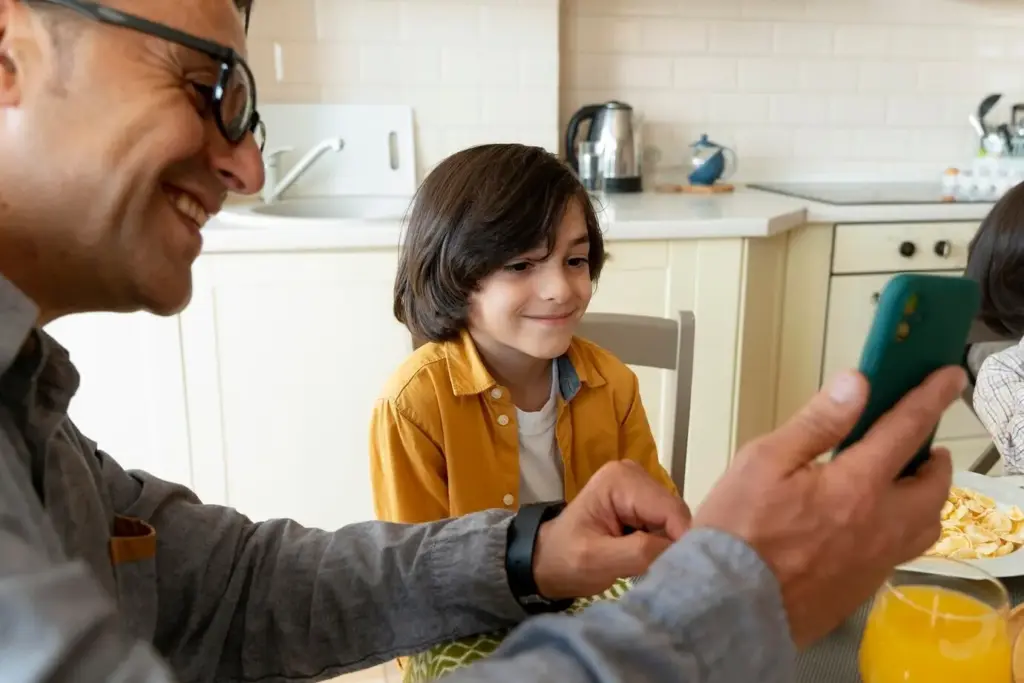
Moving from one activity to another becomes easier when exits feel complete and beginnings feel inviting. Clear cues, brief reflections, and gentle countdowns help bodies settle and attention reorient. When the finish and start are thoughtfully shaped, the middle flows naturally, and students sense care in the very architecture of the day.

Skill Builders You Can Teach in Under Two Minutes

Short, teachable routines convert shifting moments into purposeful practice. When the clock is tight, we can still build organization, self-regulation, and social awareness. These mini-lessons are quick to introduce, easy to remember, and powerful in how they create continuity and calm between the distinct chapters of each day.

Backpack Check Ritual

Invite students to pause, tap shoulders for posture, breathe once, then touch three checkpoints: folder, water bottle, and note to caregiver. Speak the list softly together. This ritual reduces forgotten items, builds working memory, and softens departures. It becomes a shared rhythm that honors independence while offering warm accountability.

Breath-and-Name Reset

Guide one slow inhale, name one feeling without judgment, and choose one small helpful action. Inhale, I feel wiggly, I will hold the railing. This compact routine normalizes emotions, builds vocabulary for inner life, and channels energy productively, turning a restless line into a quiet chorus of self-awareness.

Peer Pass-Offs

Teach partners to exchange a brief, respectful hand gesture and one sentence that summarizes what they finished and what comes next. I closed my journal; I am heading to art. This social check anchors planning, fosters accountability, and cultivates community, ensuring transitions strengthen belonging instead of scattering attention.

Playful Games for Hallways, Lines, and Waits

Silent Pattern Challenge

Students watch the leader model a silent sequence of gestures, then repeat it in order without speaking. Tap knee, touch elbow, wink, pause. Complexity grows gradually as confidence rises. This game strengthens working memory and inhibition, invites inclusive participation, and keeps hallways peaceful while still buzzing with focused curiosity.

Vocabulary Relay

Two lines take turns offering a synonym, antonym, or category example tied to current study while stepping forward one tile at a time. Voices stay soft, ideas stay sharp. The relay blends movement with language practice, protecting calm transitions while building expressive power and collaborative, low-stakes academic courage.

Balance-and-Focus Walk

Invite a heel-to-toe stroll with a beanbag balanced on the back of one hand, eyes tracing a quiet anchor point ahead. Small challenges increase gradually. This gentle practice refines proprioception, steadies arousal, and transforms corridors into mindful pathways that carry children smoothly toward whatever learning adventure awaits next.

Supporting Diverse Learners Without Leaving Anyone Behind

Sensory-Friendly Paths

Offer choices like wall-side walking, a tactile strip to trace, or a fidget that stays quiet and respectful. Build in movement breaks before challenging shifts. Sensory supports are not privileges; they are access points. When regulation improves, relationships improve, and transitions become collaborative journeys rather than exhausting uphill climbs.

Language-Light Options

Pair gestures, icons, and color cues with concise words so directions are accessible to multilingual learners and students processing language slowly. Rehearse with call-and-response and model silently when needed. Communication becomes clear and kind, reducing corrective talk and letting students internalize steps while feeling capable, included, and understood.

Strength-Based Roles

Invite students to hold responsibility aligned with their gifts: line anchor, signal caller, kindness spotter, or materials scout. Roles affirm identity and distribute leadership. When children see themselves as helpers during transitions, motivation rises, behavior escalations drop, and community bonds tighten, making every movement a practice in shared care.

Tracking Progress and Keeping Momentum
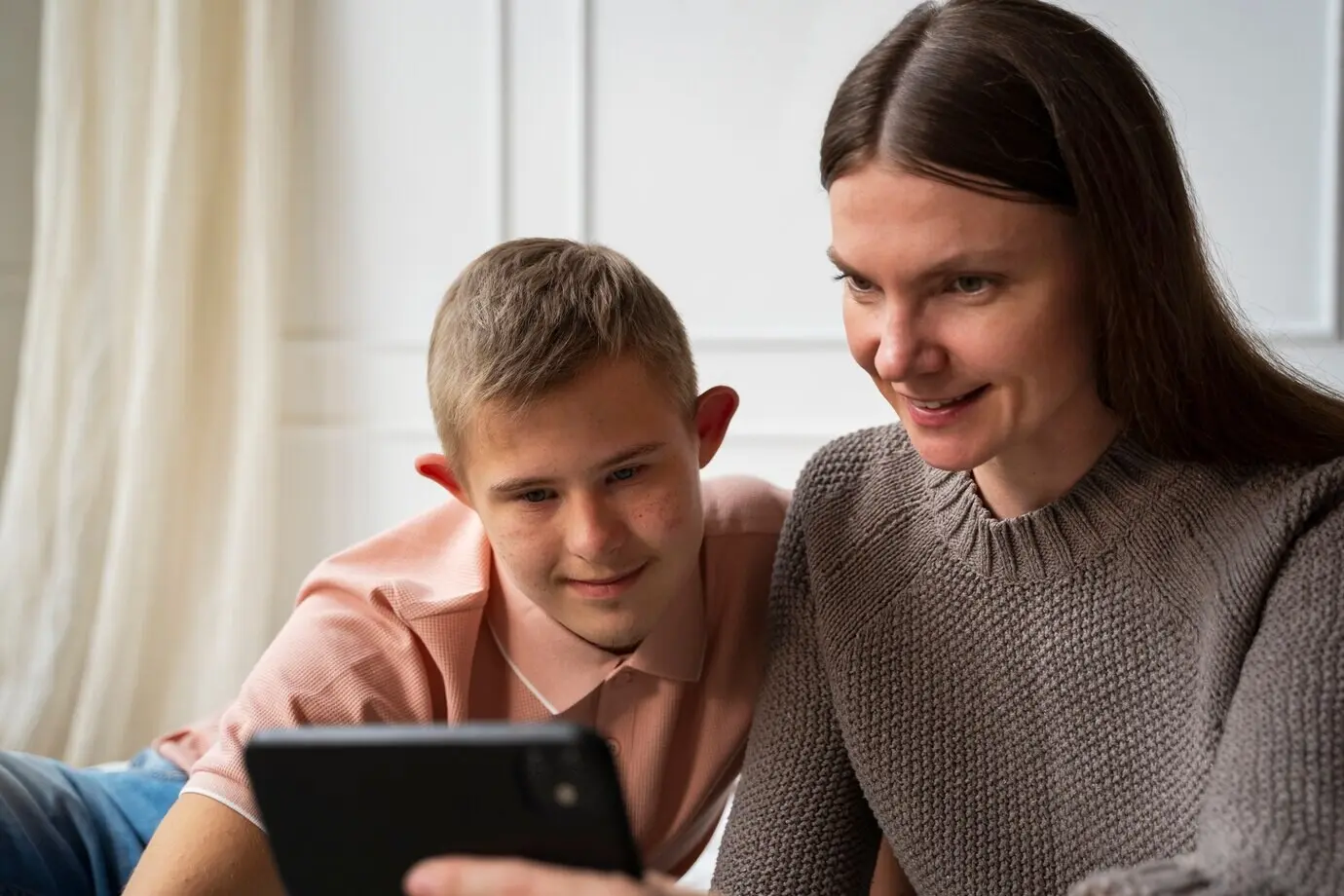
Data can be gentle, quick, and meaningful. A few well-chosen indicators show whether strategies are helping without burdening teachers or students. When we celebrate tiny wins, share insights with families, and refine routines together, transitions evolve from stress points into steady bridges carrying learning forward each day.
Track one or two metrics, like time to settle or number of prompts needed, using quick tally marks. Review weekly, not obsessively. Patterns emerge that guide adjustments and highlight growth. Small, humane data invites curiosity instead of pressure, keeping attention on what helps real children in real moments.
Send a short note describing one successful routine, invite a home variation, and ask what works in their morning or bedtime transitions. Families offer wisdom that translates beautifully into school moments. This loop builds trust, aligns language, and creates continuity so children feel supported on both sides of the day.
Mark progress with low-volume rituals: a shared thumbs-up, a quiet sticker on a class chart, or a whispered compliment on teamwork. Recognition fuels motivation while protecting calm. Invite comments, questions, and favorite quick wins from readers, and subscribe for future printable tools that make every transition kinder and easier.
Naxifupurafexoxo
Privacy Overview

This website uses cookies so that we can provide you with the best user experience possible. Cookie information is stored in your browser and performs functions such as recognising you when you return to our website and helping our team to understand which sections of the website you find most interesting and useful.