
Sixty Seconds to Closer Bonds

Today we’re focusing on One-Minute Activity Cards for Parent–Child Connection—simple, joyful prompts crafted to fit real-life schedules while increasing warmth, trust, and shared laughter. You’ll find practical strategies, research-backed insights, and memorable stories proving that sixty seconds, offered consistently, can reset moods, deepen attachment, and make everyday moments feel special. Try one card today, notice the change, and share your favorite moment so our growing community can learn from your experience and celebrate tiny victories together.

Why Tiny Moments Change Everything

Short, intentional interactions stack up like compound interest, gradually strengthening bonds without demanding elaborate plans. A one-minute prompt invites eye contact, co-regulation, and positive attention—small but potent cues that say, “I see you, and you matter.” When repeated, these micro-moments can reduce conflict, increase cooperation, and transform the texture of family life, even during chaotic weeks. Consistency beats perfection, and play gently opens doors that lectures rarely touch.

The Science of Micro-Interactions

Brief, positive exchanges function as powerful bids for connection, activating safety and belonging systems in the brain. Oxytocin rises with shared smiles, synchronized movement, and warm words, supporting regulation and trust. Over time, these repeated bursts build secure patterns that children rely on under stress. Think of each card as a reliable spark, turning ordinary seconds into meaningful neural “reps” for resilience and closeness.

Busy Schedules, Realistic Wins

When time is scarce, overly ambitious plans often backfire. One-minute cards sidestep perfectionism, offering quick prompts that can be done while water boils, shoes are tied, or the car warms up. Instead of waiting for ideal conditions, families create flexible bridges between tasks. The result is dependable, bite-sized closeness that accumulates across the day, gently shifting the overall emotional climate toward patience, humor, and teamwork.

Clear Prompts and Quick Success

Use direct verbs and single-step actions: “Mirror my face,” “High-five gratitude,” or “Draw the tiniest star you can.” Add a friendly constraint—ten seconds, three words, one stretch—to focus attention and boost momentum. Avoid multi-step instructions that create friction. The goal is immediate participation, visible payoff, and a shared smile. Success within seconds teaches children, and adults, that connection is available now, not after everything else gets done.

Age-Responsive Variations

Offer gentle variations beside each prompt for different developmental stages. Toddlers might copy a sound; preschoolers can act out animals; older kids may swap roles or invent a twist. Provide sensory-friendly alternatives, nonverbal options, and quiet choices for low-energy moments. A single card can hold multiple on-ramps, preventing boredom and overwhelm. When every child sees a path that fits, participation becomes authentic, confident, and joyfully self-directed.

Durable, Portable, Ready Anywhere

Make cards small enough for pockets but sturdy enough for backpacks, glove compartments, and kitchen drawers. Laminate or use thick stock, add a simple ring for flipping, and color-code categories for instant selection. Portability turns waiting rooms, checkout lines, and elevator rides into opportunities for warmth. When prompts live where life happens, families use them more, building a reliable cadence of micro-connection throughout unpredictable days.
Slip Connection Into Everyday Routines

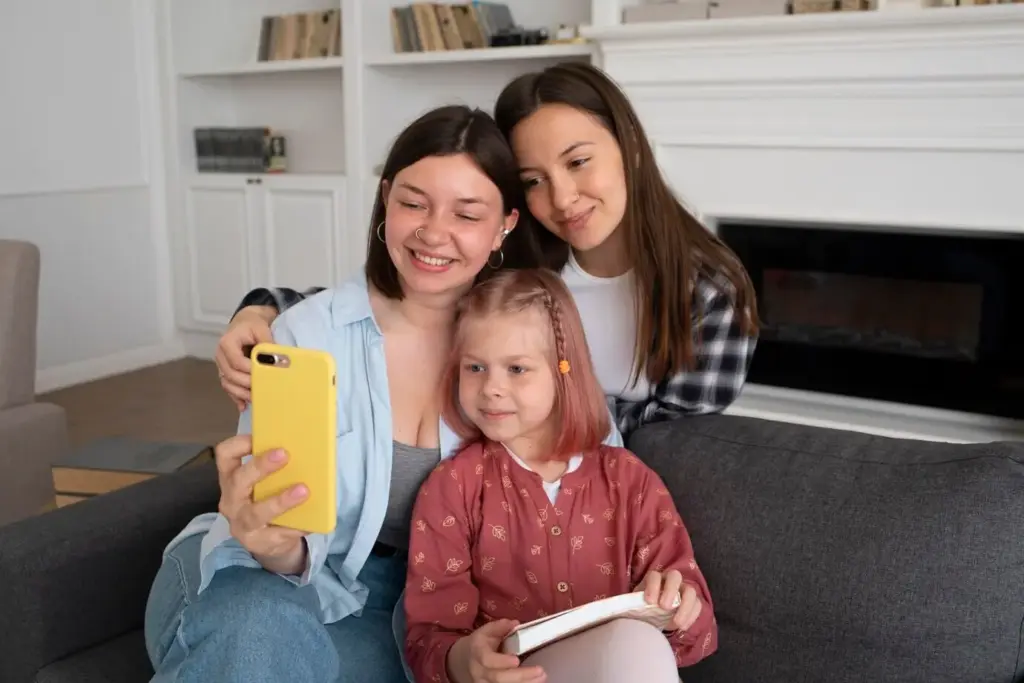
Routines are perfect homes for one-minute prompts because they anchor behavior with minimal willpower. Pair a card with something you already do—breakfast, car rides, homework setup, bedtime—and let the ritual cue the action. Over time, the card becomes part of the routine’s identity, making follow-through feel automatic. When transitions are softened by playful contact, kids regulate faster, resistance drops, and the day’s flow becomes kinder to everyone involved.

Mornings With Momentum

Set a hopeful tone before the rush steals attention. Try a quick “name three things the sun can see” game, a synchronized stretch, or a five-breath countdown while making eye contact. Keep it light and repeatable. A predictable moment of shared play acts like an emotional compass, helping children move into school mode with steadier energy, fewer arguments, and a felt sense that home sends them forward with warmth.

After-School Reset Ritual

Afternoons often arrive with mixed moods, noisy stories, or silence. Choose a grounding card that invites movement, rhythm, or gentle sensory input: clap patterns, mirror dances, or passing a soft object while naming highs and lows. This small reset acknowledges effort and feelings before demands return. When children experience being met, not managed, they reengage with homework and chores more willingly, and connection remains the background music of the evening.

Bedtime Calm in One Minute

Use sleep-friendly prompts that slow the nervous system: whisper wishes, trace a tiny star on a palm, or breathe in together while counting heartbeats. Keep lights soft, voices gentle, and the card consistent. This brief ritual becomes a bridge from busy to restful, reassuring children that the day ends in safety and affection. Over nights and weeks, many families notice faster settling, fewer fears, and sweeter, unhurried goodnights.

Stories and Evidence From Real Homes

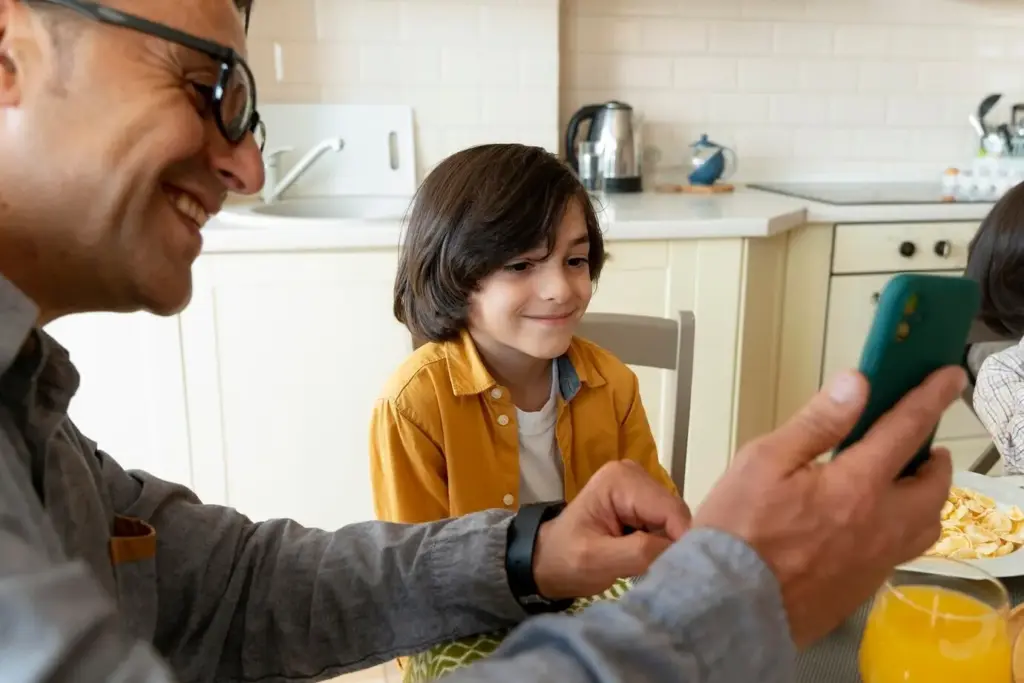
Research on positive parenting shows that short, frequent connection improves cooperation, resilience, and long-term emotional health. Families report smoother transitions, quicker repairs after conflict, and more laughter. These cards don’t promise perfection; they offer reliable chances to reconnect quickly. Small successes build trust that grows bigger changes. The following stories reflect real patterns we see often, inviting you to test, adapt, and share your experiences with others.

Keep It Fresh With Playful Categories

Variety sustains attention. Group prompts by energy and purpose—movement, creativity, conversation, gratitude, mindfulness—so you can match the moment. Color-coding and icons make choosing fast. Balance silly with soothing, active with reflective, familiar with surprising. A living mix prevents staleness while honoring changing needs across days. When families can pivot easily, cards serve the moment rather than forcing it, keeping participation enthusiastic and emotionally attuned.

Move and Laugh

Build a quick menu of wiggles, stretches, and rhythm games. Try mirror poses, invisible-jump competitions, or passing a beat without speaking. Movement releases tension, resets focus, and invites shared laughter. Keep options low-risk and safe in small spaces. For quieter times, offer micro-movements: finger dances, shoulder shrugs, or slow-motion waves. The goal is playful activation that recharges connection without exhausting anyone or requiring special equipment.

Create and Imagine

Spark curiosity with ultra-small creative tasks: draw a moon with three lines, pretend a spoon is a spaceship, or invent a two-sound language. Creativity lowers defenses and opens conversation pathways. Encourage “yes, and” responses, celebrating attempts rather than outcomes. Keep supplies minimal—a pencil, sticky note, or nothing at all. These tiny imaginative launches help families rediscover wonder together, even in moments otherwise ruled by schedules and screens.

Co-Design With Your Child

Invite your child to draft new prompts, select artwork, or name categories. Co-creation boosts buy-in and helps you learn what truly delights them. Start with a blank card and three guiding questions: what feels fun, what feels easy, and what feels helpful. Try the new card together, then tweak. When children see their ideas become part of family rituals, they show up proudly, participate longer, and initiate more often.

Cultural and Family Traditions

Fold in songs from grandparents, sayings in heritage languages, and celebrations unique to your story. A one-minute proverb recall, a tiny dance step, or a festival memory can bring roots into everyday life. These prompts honor identity while inviting curiosity and respect. Children feel anchored to something bigger than the moment, and adults enjoy passing along meaning in ways that feel light, joyful, and immediately shareable.

Track Progress, Celebrate Tiny Wins

Create a small scoreboard for smiles: sticker a calendar, color a block, or draw a star on the fridge after each card. Keep expectations kind; missed days are reminders, not failures. Celebrate streaks with a joyful routine—favorite song, silly handshake, or shared photo. Visible progress motivates busy families to return to what works. Over time, the pattern becomes its own reward, a proof of care in motion.
Naxifupurafexoxo
Privacy Overview

This website uses cookies so that we can provide you with the best user experience possible. Cookie information is stored in your browser and performs functions such as recognising you when you return to our website and helping our team to understand which sections of the website you find most interesting and useful.