
Make Every Second at Home Count
Today we dive into Family Time Audit: Identifying Hidden Micro‑Moments Each Day, turning overlooked slivers of time into intentional connection and warmer daily rhythms. We’ll map quick wins, try friendly experiments, and use gentle prompts that fit packed schedules, proving care can flourish between alarms and appointments. Expect approachable logging ideas, stories from real households, and celebration of small gestures that multiply trust, laughter, and belonging without requiring elaborate plans, special gear, or extra hours you simply do not have.

Finding the tiny windows that change everything
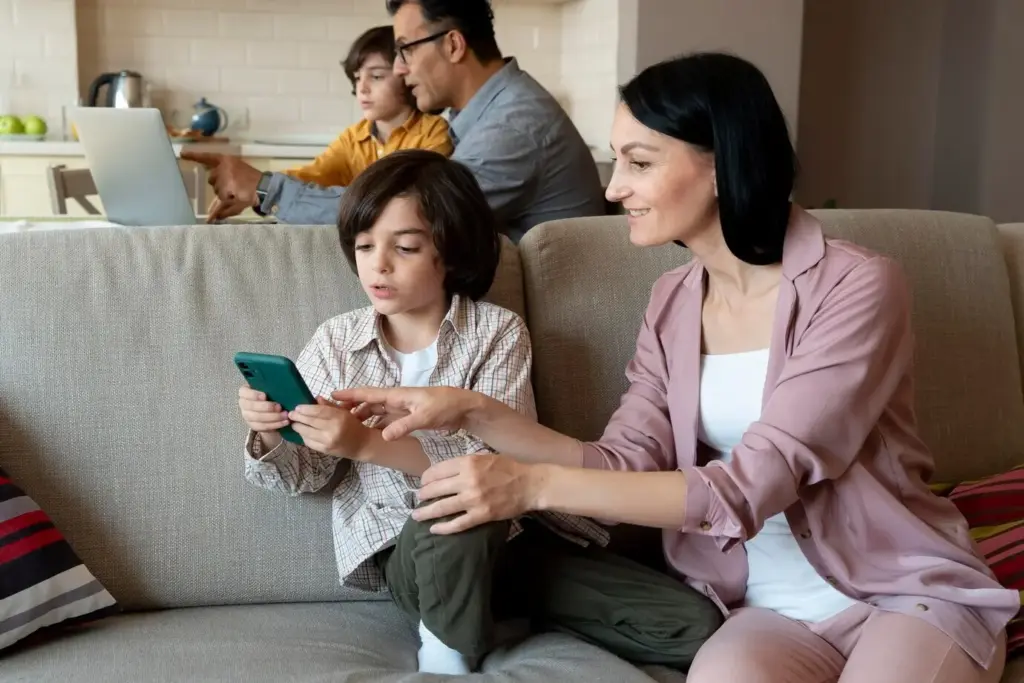
Hidden opportunities hide inside transitions: the kettle boils, shoes go on, tabs load, backpacks zip, lights switch off. These edges of routine are short, repeatable, and ripe for connection when noticed. By naming them and attaching a simple cue, you transform waiting into noticing, and noticing into choosing. What begins as thirty seconds becomes a meaningful exchange that steadies mornings, softens evenings, and makes ordinary moments feel intentionally shared, rather than accidentally rushed or emotionally empty.
A method you’ll actually keep using
Success depends on methods that survive busy realities. Aim for light, repeatable steps: pick two daily checkpoints, capture observations quickly, and reflect briefly once per week. Avoid perfection; persistence beats precision here. Treat the process as an experiment, not a verdict. When energy dips, shrink the step rather than skipping entirely. A pen on the fridge or a pinned phone note ensures speed. Families report that fifteen mindful seconds, practiced consistently, outperforms elaborate plans abandoned after three stressful days.

Set your intention
Before tracking, articulate what connection should feel like at home. Choose one value—calm, playfulness, teamwork, or curiosity—and let it guide your micro‑moments. A short family huddle can co‑create language everyone remembers, such as “We aim for gentle voices after six” or “One small cheer for every attempt.” Intent anchors choices during hectic transitions, easing guilt and clarifying priorities. When uncertainty appears, the intention becomes a compass, keeping efforts meaningful rather than scattered or performative.

Track without friction
Use the easiest tool you’ll consistently touch. A sticky note on the coffee tin, a recurring calendar prompt, or a quick voice memo after school pickup keeps the record alive. Capture only essentials: when, where, who, and how it felt. Color a dot for mood if that’s faster than words. The goal is awareness, not a perfect diary. Frictionless tracking reveals patterns quickly, highlighting micro‑moments that repeatedly succeed and those that need gentle redesign, timing tweaks, or support.
Why small moments create outsized impact
Brief, positive interactions build trust, regulate stress, and shape identity far beyond their length. Psychology research suggests frequent micro‑connections broaden attention, strengthen emotional resilience, and encourage prosocial behavior. Neuroscience points to safety cues—warm tone, gentle eye contact, light touch—calming physiology quickly. Families do not need longer time; they need more intentionality inside time they already share. Stacking these moments makes relationships feel supported, predictable, and safe, especially for children whose nervous systems rely on consistent, attuned responses.

The two‑minute breakfast ritual
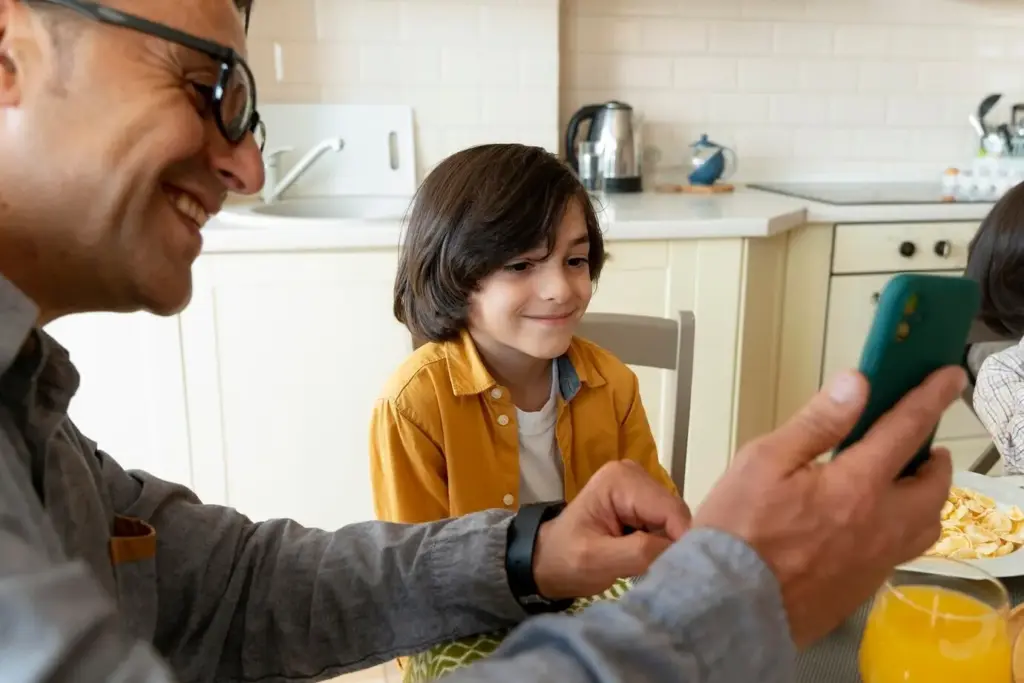
One parent slid an index card under the cereal bowl reading, “What is something we can learn from today?” Responses ranged from silly to sincere, but the question reliably sparked connection before backpacks closed. Some mornings were chaotic, yet the card stayed, and eventually kids started writing prompts too. The ritual anchored attention, nudged curiosity, and offered a gentle sense of togetherness that carried into hallways, buses, and playgrounds without demanding any earlier wake‑up or extra cooking.
The hallway high‑five ladder
A family taped paper rungs beside the front door, each labeled with a value—kindness, courage, patience, play. Leaving the house, everyone chose a rung to high‑five and named a small way to practice it that day. Returning home, they added a quick win or lesson. This five‑second act bookended the day with intention and reflection, making shared values tangible and fun while gently reinforcing accountability through smiles rather than pressure or lengthy, time‑consuming conversations.

From experiments to lasting rituals
Once a few micro‑moments work, codify them gently so they survive busy weeks, travel, and mood swings. Write a short list, assign cues, and decide on friendly backup versions for low‑energy days. If a ritual stops working, revise instead of abandoning. Keep options visible—on the fridge, inside a notes app, or laminated by the door. The goal is not rigidity; it is reliability. Families thrive when care arrives predictably, even in small, flexible, and playful packages.
Build a menu with categories like “Departing,” “Arriving,” “Waiting,” and “Winding down.” Under each, list two or three tiny actions—gratitude swap, thirty‑second stretch, one‑line story, or a quick hallway dance. Rotate based on energy and time available. A menu protects variety without decision fatigue, especially when mornings wobble. Kids love choosing the day’s option, boosting buy‑in. Over time, favorites emerge naturally, becoming family signatures that feel personal, simple to execute, and surprisingly memorable.
Schedules shift with school calendars, sports, travel, and holidays, so build seasonal versions of reliable moments. Summer might favor porch check‑ins and sunset walks; winter may invite candle lighting and cozy read‑alouds. Name one portable ritual for chaotic weeks, like a two‑breath reset before meals. Planning these ahead prevents connection from collapsing when logistics change. Instead, your family carries a flexible toolkit that adapts gracefully, ensuring warmth continues flowing through life’s predictable and unpredictable transitions.

Keep momentum and join the conversation
Consistency grows when community surrounds your efforts. Invite accountability, celebrate tiny wins, and exchange ideas that refresh routines when novelty wears off. Turn reflections into quick notes you can share with friends or relatives. Ask older kids to lead one experiment per week to increase ownership. If you track nothing else, track how often you smile together. Those signals predict resilience, making home feel like a team where support appears exactly when and where it is needed.
All Rights Reserved.